épületekBuildings
Az alkotás számomra soha nem ért véget a szobrok, a versek vagy a dalok világánál.
A legmélyebb tisztelettel fordultam az épített örökség felé is, mert hiszem,
hogy egy régi épület éppúgy hordozza az emberi sorsokat, mint egy vers, egy kép, vagy szobor.
A kövek, a falak és a tetők is szólhatnak hozzánk, csak meg kell hallani a hangjukat.
Munkám során olyan történelmi múltú épületek újjászületésében vehettem részt,
amelyek Komárom históriájának meghatározó emlékei.
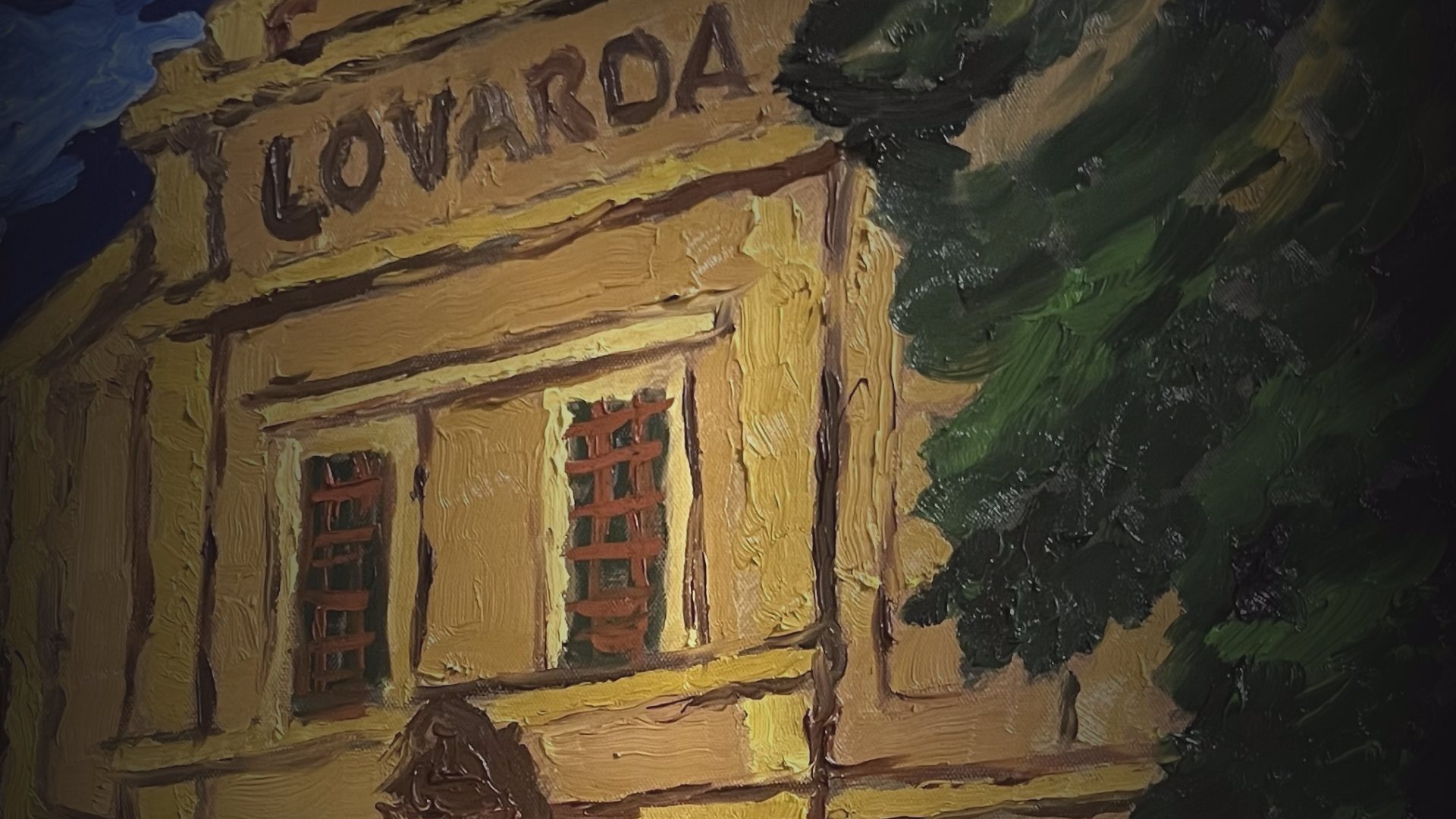
A századforduló katonai kincstári építészetének különleges alkotásai, a fedeles lovarda,
a Bagolyvár és a komáromi méntelep egykori tiszti objektumai hosszú évtizedeken át hordozták a háborúk,
az elmúlás és a feledés nyomait. Meggyőződésem volt, hogy ezek nem pusztán falakból állnak,
hanem sorsok és történetek rejlenek bennük, amelyek megérdemlik, hogy Csipke Rózsika álmukból újra életre keljenek.
A helyreállítások során mindig az eredeti építészeti értékek tisztelete vezetett, de az új funkciókat is figyelembe vettem.
Célom nem csupán a felújítás volt, hanem a múlt szellemének megőrzése,
hogy ezek az épített remekek ismét méltóságukkal gazdagítsák a Komárom varosképét.
Minden helyreállított részlet egy darab történelem, minden megmentett homlokzat egy újabb bizonyítéka annak,
hogy értékeink csak addig élnek, amíg vannak, akik vigyáznak rájuk. Mindezek olyan terek, ahol a történelem,
a családi örökség, a lovas hagyományok és a jelen egymásra találnak. Hiszek abban,
hogy az épített örökség megmentése nem a múltról szól, hanem a jövőről.
Arról, hogy a következő nemzedékek is láthassák, honnan indultunk, kik voltunk és
milyen értékeket tartottunk méltónak arra, hogy tovább örökítsük. Mert a hagyomány a jövő útja!
For me, the creative journey has never ended with sculptures, poems, or songs.
I have always felt the deepest respect for our architectural heritage, because I believe that an old building carries human stories just as profoundly as a poem, a painting, or a sculpture. Stones, walls, and roofs can speak to us if we are willing to listen.
Throughout my work, I have had the privilege of participating in the restoration of historic buildings that form an important part of Komárom's heritage.
Among them are remarkable examples of military architecture from the turn of the twentieth century: the Covered Riding Hall, the Owl Castle, and the former officers' buildings of the Komárom Stud Farm. For decades, these places bore the scars of war, neglect, and the passage of time.
I have always believed that they are far more than collections of walls and bricks. They preserve the stories of generations and deserve to awaken once again from their long Sleeping Beauty slumber.
Every restoration project was guided by respect for the original architectural character of the buildings, while carefully adapting them to meet the needs of the present.
My goal was never simply to renovate old structures, but to preserve the spirit of the past, allowing these architectural treasures to regain their dignity and once again enrich the townscape of Komárom.
Every restored detail is a fragment of history, and every rescued façade is proof that our heritage survives only as long as there are people willing to protect it.
These are places where history, family heritage, equestrian traditions, and the present day come together.
I believe that preserving our architectural heritage is not merely about honouring the past it is an investment in the future. It allows future generations to see where we came from, who we were, and which values we considered worthy of passing on.
Because tradition is the path to the future.